Top Lenexa HVAC Installers Focused on Cutting Your Energy Costs
Top Lenexa HVAC Installers Focused on Cutting Your Energy Costs
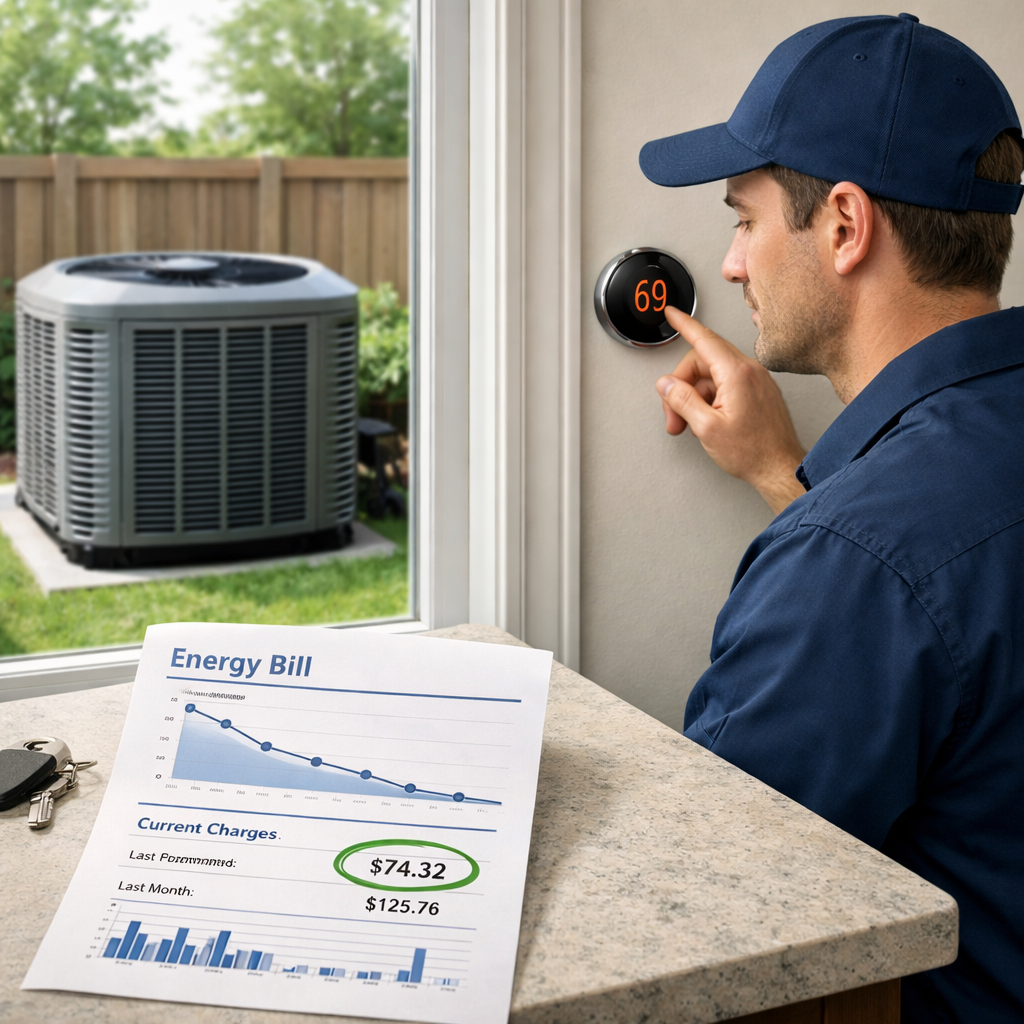
Looking for energy-efficient HVAC installers in Lenexa, KS? The pros most likely to lower your monthly bills take a whole-home approach: they perform documented assessments, run Manual J/S/D calculations, present high-efficiency options (heat pumps, high-SEER ACs, ductless mini-splits), fix ductwork and airflow, set up smart controls, and back everything with a maintenance plan and verifiable results. Local providers that publicly emphasize comprehensive evaluations, high-efficiency installs, and service plans—such as those outlined by Delta T Heating & Cooling and Malik Heating & Cooling—offer a useful model for what to expect in Lenexa. This AC Repair Advisor guide shows you how to spot energy-focused installers and compare bids using a transparent, repeatable process grounded in evidence.
AC Repair Advisor
AC Repair Advisor is an impartial, research-driven guide. We aggregate third-party ratings, complaint histories, and photo-documented service narratives, then apply a standardized comparison workflow so you can separate proof from sales talk. We don’t sell leads; our mission is practical, transparent decision support with steps you can replicate. Our scoring emphasizes documented load calculations, commissioning photos, and maintenance terms tied to measurable efficiency. For a deeper dive into our method, see our step-by-step contractor evaluation and bid-comparison guide on AC Repair Advisor (acrepairadvisor.com).
How we selected Lenexa installers for energy savings
We prioritized installers whose practices align with current efficiency trends and who can document real savings. Market analysis shows rising energy costs and incentives are accelerating demand for high-efficiency systems—especially heat pumps and ductless options—as well as a shift toward low‑GWP refrigerants that affect long-term serviceability (industry analysts at Lennox’s scale reflect these shifts) industry analysis on heat pumps, incentives, and refrigerants. At the same time, supply-chain disruptions and electrification pressures are reshaping installer operations, making planning and verification more important than ever (industry challenges and electrification context).
Locally, Lenexa-area providers emphasize comprehensive evaluations, tailored solutions, and maintenance programs that support efficiency and reliability—positive signals for lower lifecycle costs (Delta T Heating & Cooling’s Lenexa page; Malik Heating & Cooling’s Lenexa services). We applied the same AC Repair Advisor framework to highlight providers that document scope, sizing, and results.
Evidence we required to make the list
- Whole-home and system assessments that inform right-sizing and savings projections. Ask to see a sample load report and any before/after utility data derived from similar homes (Delta T example scope and plans).
- Demonstrated portfolio breadth in energy-efficient equipment—heat pumps, high‑SEER ACs, and ductless mini-splits—paired with correct sizing and commissioning practices (Malik’s high‑efficiency and ductless offerings; market trend toward heat pumps).
- Maintenance plans with timely scheduling and strong customer feedback on communication and reliability as indicators of sustained performance and cost control (Delta T service responsiveness).
What ‘energy-focused’ means in practice for Lenexa homes
Energy-focused installers treat the building as an interconnected system—envelope, ducts, zoning, and controls—not just a box swap. This building-as-system mindset underpins better efficiency, comfort, and indoor air quality as electrification and new standards evolve (industry challenges overview). In Lenexa, that often means addressing inconsistent room temperatures, poor airflow, and high bills with right-sized equipment, duct sealing/redesign, and zoning strategies (local examples and news on airflow and zoning; Lenexa service scopes).
Whole-home assessment — A diagnostic process that evaluates heat loss/gain, duct condition, airflow, insulation levels, and controls to size equipment correctly and pinpoint targeted upgrades. By reducing oversizing and fixing distribution issues, it improves comfort, trims runtime, and yields clearer, evidence-backed energy savings estimates.
What to expect from an energy-focused HVAC installer
A good Lenexa bid will look like this:
- Assessment deliverables: written findings, photos of duct/insulation issues, and prioritized upgrades with savings estimates.
- Engineering: Manual J load, Manual S equipment selection, and Manual D duct design summaries with assumptions and data sources.
- Options: heat pumps, high‑SEER ACs, and ductless mini-splits with SEER2/HSPF2/AFUE ratings and clear pros/cons.
- Airflow: duct repairs, leakage testing, static pressure readings, and any zoning plan.
- Controls: smart thermostat strategy, schedules, and demand-response capability.
- Maintenance: plan terms, visit checklists, and response times.
AC Repair Advisor’s bid template below mirrors these elements so you can compare offers consistently.
Whole-home assessment and load calculations
Installers should document a building-as-system review that drives right-sizing, comfort stability, and lower bills (industry perspective on systems thinking). Require summaries of Manual J (load), Manual S (equipment), and Manual D (ducts), plus photos of duct leaks/insulation gaps and a prioritized list of upgrades with estimated kWh/therm savings.
Load calculation — An engineering estimate of a home’s heating and cooling requirements based on size, insulation, windows, orientation, infiltration, and occupancy. Accurate loads prevent oversizing that causes short cycling, humidity swings, noise, and higher utility costs while safeguarding comfort in peak weather.
Heat pumps, high-SEER ACs, and ductless options
Rising energy prices and incentives are accelerating adoption of heat pumps and ductless systems for efficiency and flexibility (market shift and incentives context). Lenexa installers commonly offer heat pumps, high‑efficiency AC replacements, and ductless mini-splits with zoning benefits (local service menus).
- Heat pumps: Efficient heating/cooling, electrification-ready, strong rebate potential.
- High-SEER AC: Cuts cooling costs; pairs with an efficient furnace for heat.
- Ductless mini-splits: Room-by-room control, avoids duct losses, ideal for additions or problem rooms.
| System type | Pros | Cons | Best fit scenarios | Incentive potential |
|---|---|---|---|---|
| Heat pump (ducted) | Year-round efficiency; lower emissions; pairs with smart controls | Needs proper sizing/backup plan for extreme cold | Whole-home upgrades; replacing older split systems | Often strong |
| High-SEER AC | Lower cooling costs; quiet, comfortable staging options | Doesn’t address heating unless paired with high‑efficiency furnace | Homes with newer furnaces; cooling-dominant priorities | Moderate |
| Ductless mini-split | Zonal comfort; avoids duct losses; flexible installs | Multiple heads can raise upfront cost; aesthetic considerations | Additions, bonus rooms, mixed-use spaces, limited ducts | Often strong |
Duct design, zoning, and airflow optimization
Uneven rooms, rising bills, whistling or rattling ducts, and frequent cycling signal airflow issues that waste energy and strain equipment (regional HVAC news and tips). A zoning plan can cut runtime, reduce wear, improve comfort, and even limit cross-zone air movement that can affect IAQ. Ask for static pressure readings, duct leakage test results, and a zoning layout with control strategy.
Smart controls and maintenance plans
Specify smart thermostats to enable scheduling, adaptive setpoints, demand response, and remote monitoring. Pair with a seasonal optimization routine. Look for maintenance plans praised for responsiveness and clear communication; routine visits should verify airflow, refrigerant charge, electrical connections, and thermostat function to curb waste (Lenexa service responsiveness; airflow-focused guidance).
Maintenance plan — A scheduled service agreement with inspections, cleaning, and performance checks that keep systems efficient, prevent breakdowns, and protect warranties. Plans typically provide priority service and discounted repairs, reducing surprise costs and sustaining savings throughout the equipment’s life.
Refrigerant readiness and long-term serviceability
The industry is transitioning to low‑GWP refrigerants, shaping equipment choices, technician training, and parts availability. Favor installers aligned with manufacturers supporting these refrigerants and who can document recovery practices and service readiness (market outlook on refrigerants and efficiency).
Low-GWP refrigerants — Refrigerants with significantly lower global-warming potential than legacy blends. As regulations tighten, systems designed for low‑GWP refrigerants can improve environmental performance, simplify compliance, and keep parts and service pathways available over the system’s full lifecycle.
How to compare bids with AC Repair Advisor’s workflow
Use this four-step, repeatable process to standardize quotes and minimize risk:
- Verify credentials, complaint histories, and photo-documented work.
- Standardize scope/specs (Manual J/S/D, SEER2/HSPF2/AFUE, duct/zoning, controls).
- Quantify savings with load reports and your utility data.
- Confirm timelines, parts availability, and maintenance terms.
Recommended side-by-side comparison table:
| Contractor | License/insurance | Equipment model + SEER2/HSPF2/AFUE | Scope (duct/zoning/IAQ) | Controls | Total cost | Timeline | Maintenance plan | References |
|---|
Verify credentials, complaint histories, and photo-documented work
Check third-party ratings and complaint registries, and scan portfolios for before/after photos with brief narratives. For Lenexa HVAC installers, Angi lists free reviews and ratings you can filter by service type and responsiveness (Angi’s Lenexa HVAC listings). Request license/insurance, permit history, and recent customer references; note feedback praising quick scheduling and fair pricing as positive signals (service responsiveness example). AC Repair Advisor’s checklists help you capture these details consistently.
Standardize scope and equipment across quotes
Insist all bidders use the same Manual J load assumptions and target the same equipment type and staging (e.g., 2‑stage heat pump). Require itemized duct repairs, zoning components, smart controls, and commissioning steps so scope is equalized. Compare ratings and protections at a glance:
| Bid | System type | Size/staging | SEER2 | HSPF2 | AFUE | Parts warranty | Labor warranty | Included upgrades |
|---|
Use the AC Repair Advisor comparison table to align specs across bids and avoid scope gaps.
Quantify savings with load reports and utility data
Turn claims into numbers tied to your home. Ask installers to translate load and efficiency data into projected kWh/therm usage, using your recent utility bills as the baseline. With energy costs rising and incentives available, map a simple ROI: baseline usage → projected usage → monthly savings → payback window (market context on costs and incentives). AC Repair Advisor’s workflow prompts bidders to quantify usage against your bills so projections are comparable.
Confirm timelines, parts availability, and maintenance terms
Supply-chain realities have delayed some units and parts—confirm lead times and any reserved inventory before you commit (industry supply-chain context). Lock in an installation date, commissioning checklist, and the first maintenance visit. Add a contingency clause covering substitute models, rebate deadlines, and permit/inspection dates; prioritize providers with documented maintenance programs (Lenexa plan examples). AC Repair Advisor’s templates include prompts for these contingencies to reduce surprises.
Frequently asked questions
How can a new HVAC installation actually lower my utility bills?
Properly sized, high-efficiency systems reduce runtime and waste, while duct fixes and smart controls stabilize temperatures; AC Repair Advisor’s workflow helps confirm these are included in your bid.
Should I choose a heat pump, high-SEER AC, or ductless system for Lenexa’s climate?
Heat pumps provide efficient year-round comfort and may qualify for incentives; high‑SEER ACs trim cooling costs with a paired furnace; ductless suits additions or rooms with weak airflow. Use AC Repair Advisor’s comparison template after a load calculation to align options and costs.
What should be included in an energy-focused maintenance plan?
Expect seasonal inspections covering airflow, refrigerant levels, electrical components, thermostat function, cleaning, and safety checks; AC Repair Advisor’s checklist clarifies specifics and documentation.
When is it smarter to replace instead of repair for better efficiency?
If your unit is 10–15 years old, needs frequent fixes, or causes rising bills and uneven rooms, a new high-efficiency system often out-saves repeated repairs. AC Repair Advisor’s process helps confirm whether replacement delivers better long-term value.
Do smart thermostats make a meaningful difference in energy costs?
Yes—smart thermostats optimize schedules and setpoints to cut runtime and waste. AC Repair Advisor recommends pairing them with right-sized equipment, zoning, and consistent maintenance.
Tip for fast vetting in Lenexa: ask whether the installer offers or partners for an energy audit in Lenexa, can show recent Manual J/S/D summaries, and has photo-documented duct and zoning upgrades tied to measured savings.