No-Heat Tonight? Lenexa Emergency Furnace Repair You Can Trust
No-Heat Tonight? Lenexa Emergency Furnace Repair You Can Trust
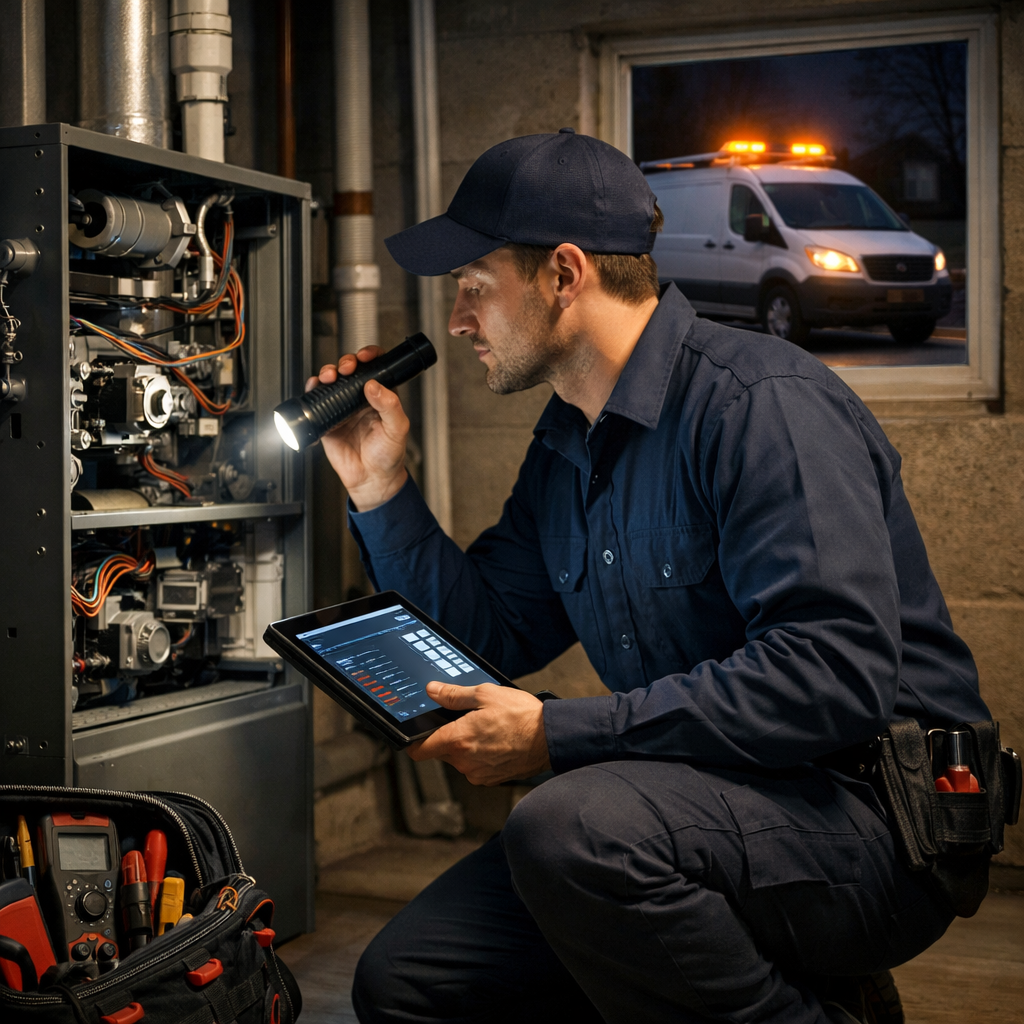
When your furnace quits after hours, you don’t have to wait for morning. Lenexa homeowners can get emergency furnace repair at night from multiple 24/7 providers with live dispatch, clear ETAs, and trucks stocked for on‑the‑spot fixes. This AC Repair Advisor guide shows you what to do right now, how to decide if it’s a true emergency, what a professional visit looks like, what it should cost, and how to book a trusted, qualified pro fast—without needless risk or surprises.
Emergency furnace repair is a rapid-response service for heating systems that fail suddenly or present hazards, especially after hours or in severe weather. The goal is to restore safe, reliable heat quickly through on‑site diagnostics, immediate repairs with common parts, and clear next steps if major components or replacement are required. Expect transparent communication and documented findings.
Can you get emergency furnace repair at night in Lenexa
Yes. Several Lenexa/Kansas City providers publicly advertise 24/7 furnace repair with around‑the‑clock answering and dispatch, so you can request help overnight. AC Repair Advisor aggregates local 24/7 options and what to confirm at booking so you can vet providers quickly at night. See the availability and service scope on Polestar’s local furnace repair page, which highlights emergency support and trained technicians.
Some teams aim for same‑day—or even within‑two‑hour—arrivals and note no overtime charges for nights or weekends where stated, which is useful during cold snaps typical of Kansas winters. Overnight service matters because extended no‑heat events in freezing weather can risk frozen pipes, water damage, and unsafe indoor conditions.
Immediate safety checks before you call
- If you smell gas or suspect CO, evacuate and call emergency services first; do not troubleshoot. Local pros like Mr. Breeze emphasize safety protocols and stopping at any sign of combustion hazards.
- Check thermostat settings/mode and replace batteries; misconfiguration can mimic a breakdown. Shawnee Heating & Cooling notes simple thermostat issues are common.
- Inspect the air filter and make sure supply and return vents are open to prevent airflow shutdowns.
- Verify the furnace switch/breaker is on. Note any burning odors or rapid cycling for the dispatcher.
Carbon monoxide (CO) is a colorless, odorless gas from incomplete combustion. Exposure can cause headache, dizziness, nausea, and, at high levels, unconsciousness or death. If an alarm sounds or symptoms appear, evacuate immediately and call emergency services, then coordinate HVAC service from a safe location.
Tip: Save this checklist near your furnace for quick reference during after‑hours calls.
What qualifies as a true emergency
- Urgent tonight: No heat during near/below‑freezing temps, burning or electrical odors, rapid cycling, tripped safety shutoffs, any gas smell, or a CO alarm. Evacuate for gas/CO first.
- Can likely wait: Mild outdoor temps, stable indoor conditions, and no hazard indicators—especially if airflow, thermostat, or filter issues are suspected.
Kansas winters and overnight freezes raise the stakes for vulnerable occupants, pets, and plumbing. If the house is dropping fast toward freezing or any safety alarm triggers, treat it as an emergency.
What to expect from a 24/7 service call
- Safety triage: Your dispatcher will confirm you’re safe and review gas/CO protocols before dispatching.
- Rapid diagnostics: The technician inspects ignition, safeties, airflow, and electrical systems to pinpoint the fault.
- Upfront estimate and timeline: You’ll get a line‑item quote and parts availability before work proceeds.
- On‑site repairs when possible: Many trucks carry common parts for major brands, improving odds of a one‑visit fix, a practice highlighted by Mr. Breeze Heating & Cooling.
Professionalism markers include certified technicians, photo‑documented findings, and property protections like shoe covers and floor runners.
Typical no-heat causes and fast diagnostics
- Thermostat failure or misconfiguration: Temperature swings, frequent cycling, or no heat.
- Ignition or flame sensor faults: Failed starts or short cycling; parts are often straightforward and relatively low cost.
- Clogged filters and airflow restrictions: Overheating and safety shutoffs until airflow is restored.
- Blower motor or control board issues: Weak/no airflow or erratic operation; major repairs can be more expensive.
Technicians verify safeties, test ignition and flame signal, measure voltages, and confirm airflow to isolate root causes—an approach echoed in industry write‑ups on common HVAC problems in Lenexa and Overland Park.
Heat exchanger is the sealed furnace component that transfers heat from combustion gases to indoor air without mixing them. Cracks can leak dangerous exhaust and trigger safety shutoffs. Because of carbon monoxide risk and high repair cost, a failed heat exchanger often warrants system replacement after documented confirmation.
Transparent costs and night service fees in Lenexa
Local ballpark estimates for after‑hours HVAC work align with regional ranges reported by Modernize for Lenexa. Use these as conversation starters, not quotes.
| Item | Typical range in Lenexa |
|---|---|
| Diagnostic visit | Often applied/waived if you proceed with repairs |
| Minor fixes (ignitors/flame sensors) | Under $500 |
| Typical emergency repair | $300–$1,200 |
| Major repairs (blower/heat exchanger) | $1,000+ |
| Average full furnace replacement | About $6,518 |
| Local labor rates | ~$89–$190 per hour |
Some providers state they do not charge overtime for nights/weekends—verify this at booking, as policies vary; see an example on Home Comfort’s emergency heat repair page.
AC Repair Advisor recommends requesting an upfront, line‑item estimate, confirming the diagnostic fee, and asking if maintenance‑plan members receive fee waivers or priority scheduling.
Repair versus replace under pressure
- Favor repair: Newer system, fix is under ~40% of replacement, and the issue is minor (e.g., ignitor or sensor).
- Consider replace: Repair is 40–50% or more of a new system, unit is older with frequent breakdowns, or a heat exchanger is compromised.
If replacement is likely, ask about temporary heat support and availability. Same‑ or next‑day installs may be possible in the Kansas City market during peak season, as large providers such as Service Experts note for heating services.
How to choose a trusted night-time HVAC pro in Lenexa
- Confirm 24/7 dispatch and live answering, not just a voicemail.
- Verify licensing, liability insurance, and technician credentials (look for NATE and EPA certification).
- Ask for transparent, upfront pricing and a written estimate before work starts.
- Check multi‑source reviews and complaint histories, and request photo‑backed documentation of the fault and the completed repair.
- Ask about stocked‑truck inventory to improve first‑visit completion odds.
For a fast, verification‑driven approach, use AC Repair Advisor’s guidance to compare policies, credentials, and documentation expectations in one place.
Quick checklist to book the right emergency help
- Capture furnace brand/model, error codes, symptoms, and any odors or sounds.
- Confirm safety status; evacuate for gas/CO concerns before calling.
- Ask the dispatcher about 24/7 availability, ETA window, any overtime policy, diagnostic fee, and whether it’s waived if you repair; confirm common parts are stocked on the truck.
- Request a written, line‑item estimate and photo documentation for your records.
Preventive steps to avoid future night emergencies
- Schedule annual inspections, change filters on time, calibrate the thermostat, and keep the furnace area clear to improve reliability—core practices emphasized in regional coverage of HVAC issues.
- Expect seasonal strains: industry labor shortages and supply‑chain bumps can extend lead times; preventive care helps you avoid peak‑season surprises.
- Consider smart alerts:
Smart thermostat is a Wi‑Fi–enabled control that learns schedules, allows remote temperature adjustments, and optimizes energy use. Many models send alerts for temperature drops or system faults, helping catch issues before they become emergencies; see feature overviews from Anthony PHC’s thermostat pages.
Frequently asked questions
Do Lenexa HVAC companies offer 24/7 emergency furnace repair at night
Yes. Multiple local providers maintain 24/7 dispatch and live answering; AC Repair Advisor helps you verify overtime policies and ETAs before you book.
How fast can heat be restored during an overnight call
Many issues are fixed in one visit if common parts are on the truck. Response and repair times vary by demand and weather, and AC Repair Advisor recommends confirming parts availability and the ETA when you call.
What should I check before calling for emergency service
Verify thermostat settings and batteries, check the furnace switch/breaker, and inspect the air filter and vents. If you smell gas or suspect CO, evacuate first and call emergency services.
How much do emergency furnace repairs cost after hours in Lenexa
Expect many repairs to fall between $300 and $1,200, with minor parts under $500 and major components exceeding $1,000. AC Repair Advisor suggests confirming labor rates, any overtime policy, and whether the diagnostic fee is waived if you proceed.
When should I replace instead of repair during an emergency visit
Consider replacement if the repair cost is a large share of a new system, the unit is older with repeat failures, or the heat exchanger is compromised. Otherwise, a targeted repair is often fastest and most economical.