Need Fast, Reliable AC Repair in Portland? Read This First
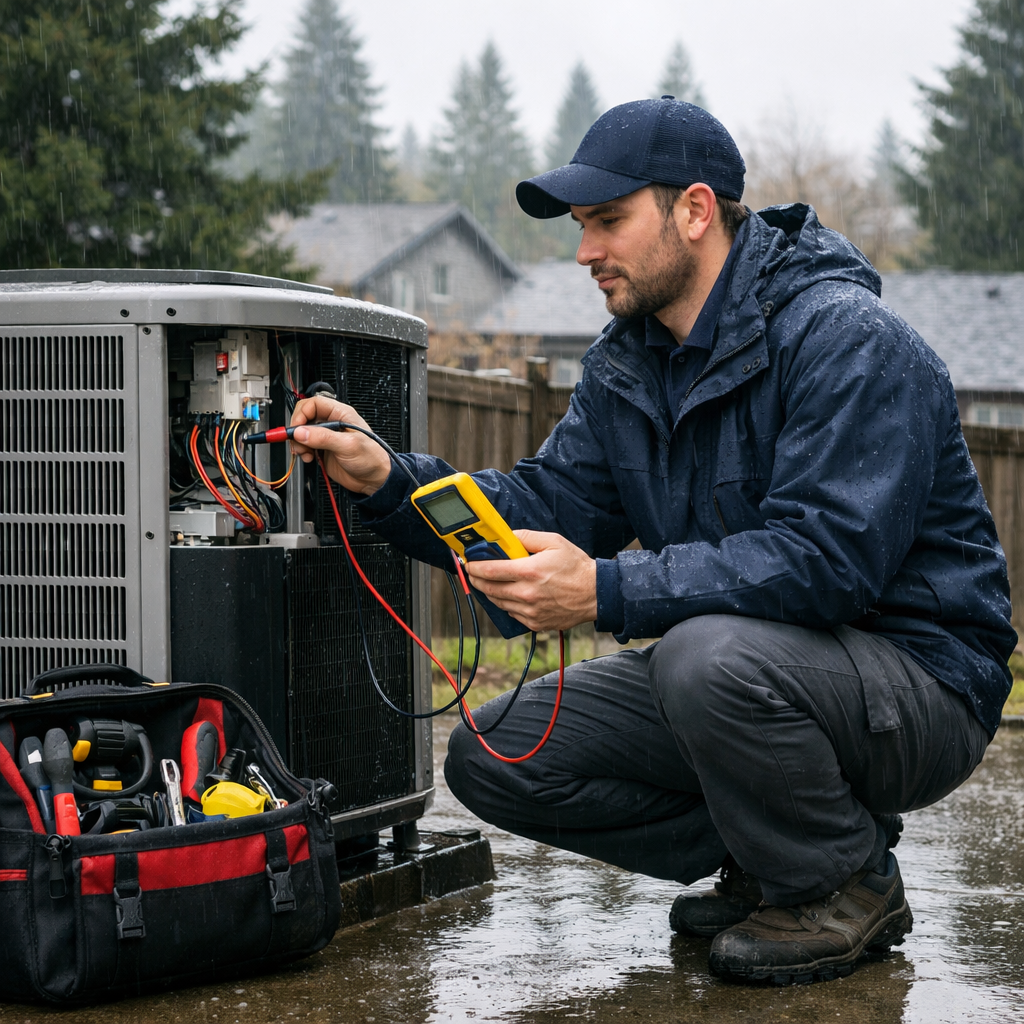
Need Fast, Reliable AC Repair in Portland? Read This First
When your Portland home is sweltering and the AC won’t cooperate, you need clear steps and credible help—fast. This guide delivers rapid triage, what to do first, and how to get connected to vetted, licensed HVAC technicians for emergency AC repair in Portland, day or night. We’ll show you who to call, how to prepare, when to stop DIY, and what “fast, reliable” service really looks like—especially during heat waves and after-hours AC service.
“Emergency AC repair is urgent HVAC service available 24/7 to address failures that risk safety, property damage, or health—like no cooling during heat waves, electrical faults, burning smells, or refrigerant leaks. The goal is to stabilize the system safely and restore cooling fast with licensed technicians.”
Who to call for fast, reliable help in Portland
In the Portland metro, “fast and reliable” usually means 24/7 emergency availability, same-day dispatch during heat events, and credentialed techs who deliver accurate first-time diagnosis. Many local providers emphasize around-the-clock response, metro-wide coverage, and NATE-certified technicians as core standards for speed and quality; see examples of 24/7 AC repair and metro-wide coverage highlighted by Portland-area providers for context (24/7 AC repair and metro-wide coverage). Prefer a single, safety-first point of contact? AC Repair Advisor coordinates 24/7 emergency dispatch to vetted, licensed pros across the Portland metro.
What to ask when you call:
- Do you offer 24/7 AC repair in Portland with same-day emergency dispatch?
- Are your technicians NATE-certified and licensed to handle refrigerant and electrical work?
- What’s the earliest ETA window, and will you text/call ahead?
How AC Repair Advisor gets you help now
AC Repair Advisor is not a contractor—we’re your safety-first intermediary. We provide 24/7 triage, after-hours support, and rapid connections to vetted, licensed HVAC technicians for emergency furnace and AC repair across the Portland metro. Our mission is to get qualified, emergency-ready help to your door, fast.
What happens when you contact us:
- We gather symptoms, your location, and any safety flags (burning smells, sparking, vulnerable occupants).
- We provide immediate safety guidance to stabilize the situation.
- We match you with vetted, licensed technicians, confirm availability, and secure the earliest ETA—then keep you in the loop with clear next steps.
Start now with AC Repair Advisor.
Safety-first steps before a technician arrives
Stabilize the situation without taking risks:
- If you smell burning, see sparking, or a breaker keeps tripping, switch the system off at the thermostat. Do not attempt DIY electrical work. An electrical fault is a failure within wiring, components, or breakers that can cause overheating, arcing, or tripping and requires a licensed technician.
- Clear leaves and debris around the outdoor unit to improve airflow, but do not open panels or touch refrigerant lines. Refrigerant work requires EPA certification; licensed pros handle refrigerant and electrical hazards per professional guidance from Portland HVAC experts (when to DIY vs. call a pro).
- During heat waves, hydrate, run fans, and close blinds. Relocate infants, elderly, or heat-sensitive occupants if indoor temps rise.
A refrigerant leak is a loss of cooling fluid from sealed lines or coils that reduces cooling, harms efficiency, and risks environmental exposure; only certified pros can locate, fix, and recharge properly.
What to tell the dispatcher to speed diagnosis
Share specifics to shorten the diagnostic visit and improve first-trip success:
- Describe symptoms: won’t start, weak or no airflow, AC blowing warm air, short-cycling, unusual noises, water or refrigerant leaks, thermostat problems.
- Provide context: when symptoms started, which rooms are affected, any recent bill spikes, and observed cycling patterns.
- Prepare access: clear a path to the air handler and outdoor unit, secure pets, and have the filter size and last change date ready.
When to stop DIY and call a licensed pro
Call a professional immediately if you notice:
- Suspected refrigerant leaks, compressor or motor issues
- Electrical faults, burning smells, sparking, or repeated breaker trips
- Persistent short-cycling, severe icing, or no cooling during a heat event
EPA certification is required for refrigerant handling; low refrigerant usually indicates a leak that needs detection and repair—not just a “top-off.” A licensed HVAC technician holds state licensing and typically specialty credentials such as NATE and EPA 608 that verify competency in diagnostics, electrical safety, and refrigerant handling.
What fast, reliable AC service looks like
Trustworthy providers tend to show the same hallmarks:
- Technician credentials (e.g., NATE) that support accurate diagnostics and durable repairs
- Transparent AC pricing with written estimates before work begins
- A repair-first HVAC philosophy that avoids unnecessary replacements
- Quality AC parts and warranties, clear communication, and prompt follow-up
Many reputable companies explicitly emphasize transparent pricing, repair-first recommendations, and customer-first policies—values commonly promoted by leading service firms (repair-first, transparent service standards). These are the standards we prioritize when connecting you with a contractor.
Compare providers quickly:
| Provider | Response time | Certifications | Upfront estimate | Warranty/guarantee | Emergency hours | Repair-first policy |
|---|---|---|---|---|---|---|
| Company A | Same day / 24–48 hrs | NATE, EPA 608 | Written before work | Parts and labor | 24/7 | Stated on site |
| Company B | Next day | State license only | Verbal | Limited | Business hours | Case-by-case |
| Company C | 24/7 dispatch | NATE | Written + options | Satisfaction guarantee | 24/7 | Yes, documented |
NATE-certified techs are a strong signal of diagnostic accuracy and repair quality.
Repair now or replace later
Use this quick framework:
- If your system is older, breaks frequently, or energy bills are climbing, weigh retrofit vs. replacement. Retrofitting can be budget-friendly for mid-life systems; full replacement becomes attractive near end-of-life or when major components fail, as Portland specialists often advise (retrofit vs. replace guidance).
- Consider upgrades that improve comfort and efficiency, such as a variable-speed blower (steadier temps, better humidity control, lower energy use) and zone control systems to resolve hot/cold spots—options frequently recommended in Portland retrofit discussions.
- Pro tip: Professional tune-ups can improve efficiency by 20–30% and extend lifespan by roughly 5–7 years, while also supporting warranty compliance, according to local pro guidance.
- Modern energy-efficient units commonly deliver long-term cost savings and improved reliability when compared to older, less efficient systems, as noted in industry analyses of AC performance and efficiency gains.
After-hours and emergency support in heat waves
During extreme heat, prioritize firms with explicit 24/7 emergency service and same-day dispatch; many Portland-area providers set these expectations during peak demand (24/7 AC repair and metro-wide coverage). Customers with maintenance agreements often receive priority scheduling during seasonal surges, a common practice highlighted by local HVAC pros. AC Repair Advisor maintains round-the-clock triage and contractor availability checks to secure the soonest qualified ETA.
A simple “heat wave call” script:
- State your symptoms and safety risks (e.g., vulnerable occupants).
- Ask for emergency availability and the earliest ETA.
- Request technician credentials (licensed, NATE, EPA 608).
- Confirm communication updates and prepare access.
After-hours AC service means professional troubleshooting and urgent repairs outside standard business hours—nights and weekends—to address safety risks and prevent damage.
Maintenance that prevents emergencies
Regular professional maintenance prevents many peak-season breakdowns and curbs energy waste, a finding echoed in industry guides to AC performance and reliability. Core tasks include:
- Filter replacements, coil cleaning, and drain clearing
- Electrical and controls checks
- Refrigerant inspections by certified technicians
Early-warning signs to address before failure:
- Grinding, squealing, or banging noises
- Unexplained bill increases
- Abnormal short-cycling or uneven cooling
Expect tangible benefits: 20–30% efficiency gains, roughly 5–7 extra years of lifespan, better warranty compliance, and priority scheduling if you enroll in an HVAC maintenance plan. If you need help lining up maintenance, AC Repair Advisor can connect you with vetted, licensed technicians.
How to choose a vetted, licensed technician in Portland
Your fast-verify checklist:
- Credentials: NATE certification, EPA 608 for refrigerant, state HVAC license, and proof of insurance
- Service area: confirm Portland and nearby counties
- Policies: written estimates, repair-first approach, parts/labor warranties, and 24/7 emergency availability
- Reputation: consistent, high-quality reviews are a useful (but secondary) signal; many reputable firms highlight strong Google ratings alongside credentials and coverage
Portland-area providers commonly spotlight NATE certification, emergency response, and broad service coverage as credibility markers for homeowners evaluating options (credentials and coverage examples). AC Repair Advisor pre-screens for these credentials and emergency readiness to save you time.
Quick credential reference:
| Credential | How to verify | Why it matters |
|---|---|---|
| State HVAC license | Company website or state licensing portal | Confirms legal authorization and code compliance |
| NATE certification | Ask for tech’s NATE ID or listing | Signals strong diagnostics and repair competence |
| EPA 608 | Request technician/firm documentation | Required for safe, legal refrigerant handling |
| Insurance | Certificate of insurance on request | Protects you and the property during work |
| Service area | Service map or ZIP list | Ensures fast dispatch and realistic ETAs |
Frequently asked questions
What should I check before calling for AC repair?
Replace or clean the air filter, confirm thermostat settings and batteries, and clear debris from the outdoor unit. If you notice burning smells, sparking, or breaker trips, power the system off and contact AC Repair Advisor for emergency support.
When is AC not cooling an emergency?
It’s an emergency when there are electrical hazards, burning smells, refrigerant leaks, or extreme indoor heat affecting health. If vulnerable occupants are at risk during a heat wave, get after-hours emergency AC repair immediately.
How fast can emergency AC repair arrive in Portland?
During normal demand, many providers offer same-day or rapid dispatch, and after-hours emergency service is available 24/7. In heat waves, AC Repair Advisor prioritizes safety-first triage and connects you to vetted, licensed pros with the soonest ETA.
Is it worth repairing an older AC or should I replace it?
If your AC is aging, breaks often, or has rising energy bills, compare repair costs to long-term efficiency gains from upgrades or replacement. AC Repair Advisor can help you weigh retrofit options and connect you with licensed pros for estimates.
How do I know a technician is properly licensed and vetted?
Look for state licensing, proof of insurance, and certifications like NATE and EPA 608. AC Repair Advisor connects you with vetted, licensed technicians and confirms credentials before dispatch—especially important for after-hours or emergency repairs.