How to Unclog a Toilet in Independence: Steps That Work
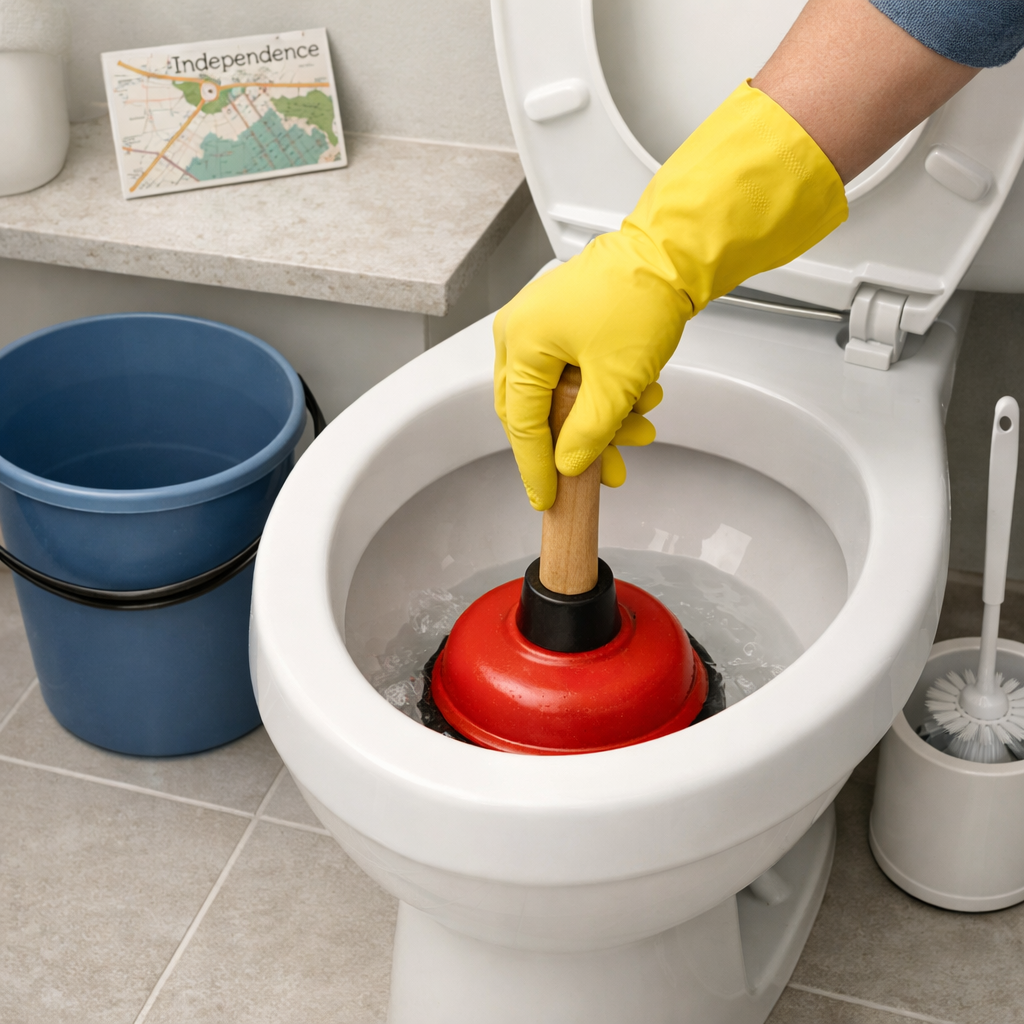
How to Unclog a Toilet in Independence: Steps That Work
A clogged toilet can turn from nuisance to mess in minutes. If you’re in Independence and need to know how to unclog a toilet safely, start by stopping any overflow, then use the right tools and method in a calm, step-by-step way. Most blockages clear with a good flange plunger, dish soap and hot water, or a toilet auger; if they don’t, you’ll know when to call a plumber. Below is AC Repair Advisor’s concise, evidence-based playbook you can follow immediately—plus smart prevention tips so you’re ready next time.
Stop overflow and stabilize the situation
- Step 1: If water rises, remove the tank lid and stop the fill by gently pressing the float or closing the flapper; if needed, turn the shutoff valve behind the toilet clockwise until water stops flowing (guidance summarized by ToiletSeats.com: It’s About to Go Down).
- Step 2: Wait 5–10 minutes for the water level to settle.
- Step 3: If the bowl is near the rim, remove some water with a cup into a bucket to prevent spills.
Caution: Don’t keep flushing to “force it through.” Repeated flushes are a leading cause of bathroom overflows and damage.
Gather tools and protect the area
Put on rubber gloves and prep your workspace before you start; a minute of setup prevents a lot of cleanup.
Essentials:
- Heavy-duty rubber gloves
- Old towels around the base to catch splashes
- Bucket and small cup
- Flange (funnel) or accordion toilet plunger
- Dish soap and hot (not boiling) water
- Toilet auger (closet auger)
Lay towels on the floor and have a bucket nearby to bail excess bowl water. If the water level is low, add water from a bucket so the plunger head stays fully submerged, which improves force transfer and results, as outlined by This Old House’s unclogging guide.
Definition: Flange plunger: A plunger with an extended rubber collar that fits the toilet trap opening to create a stronger seal than a flat cup plunger.
Use the right plunger and seal
Choose the right tool and make a tight seal before you plunge.
- Use a flange (funnel) plunger or an accordion plunger for toilets; avoid flat cup sink plungers that don’t seal well in a toilet’s trap.
- Accordion plungers create strong suction via their bellows-style body, which helps move stubborn clogs, as noted by Jarboe’s plunger tips.
- Warm the rubber under hot tap water for 30–60 seconds to soften it and improve the seal, a simple trick recommended by the Art of Manliness guide.
- Seal technique: Cover the drain opening fully, seat the plunger straight, and lower it diagonally to fill the cup with water—not air—so each stroke moves water through the trap.
Quick comparison of plunger types:
- Flat cup (sink) plunger — Best for sinks/showers; poor seal on toilets.
- Flange (funnel) plunger — Best all-around for toilets; strong seal in the trap.
- Accordion plunger — Powerful on tough clogs; can be stiffer to seat correctly.
Plunge with proper technique
- Step 1: Ensure the plunger head is fully submerged. Add water if needed.
- Step 2: Use firm, even push-and-pull strokes for 7–10 strokes. Keep the seal intact.
- Step 3: Reassess water level. If it drops noticeably, repeat 1–2 more rounds.
- Step 4: Only do a gentle test flush after the water level has dropped and remained stable.
If the clog hasn’t budged after 2–3 rounds, move to lubrication or an auger.
Lubricate with soap and hot water
Dish soap reduces friction and can loosen organic clogs so plunging works better.
- Step 1: Pour about 1/4 cup dish soap into the bowl.
- Step 2: Add a kettle or pot of hot (not boiling) water.
- Step 3: Wait 10–20 minutes, then plunge again.
Benefit: Dish soap and hot water can break down greasy or sticky clogs and help them slide through the trap, according to Caccia Plumbing’s DIY advice.
Local note: Parts of Independence have hard water; a second hot-water soak can help loosen mineral-laden buildup before you plunge again.
Caution: Never pour boiling water into a cold porcelain toilet—thermal shock can crack the bowl.
Clear blockages with a toilet auger
“Toilet auger (closet auger): A short, curved plumbing snake designed for toilets. Its protective sleeve and angled shaft reach the trapway without scratching porcelain while you crank a cable to break up or retrieve clogs.”
- Step 1: Insert the auger tip into the trap opening and advance gently.
- Step 2: Crank until you feel resistance. Push to break through or pull back to “hook” and remove the obstruction.
- Step 3: Wipe and discard any debris from the cable into a trash bag.
- Step 4: Give a few plunges and then flush to clear remnants.
Pro tip: If you’re buying, the Ridgid K‑3 closet auger is a reliable option frequently recommended by Wirecutter’s testing.
Last-resort options and sanitation
When standard methods fail, proceed carefully to minimize risk.
- Wet/dry vacuum: Set it for liquids, remove the filter/bag, place the hose at the drain, use a towel to improve the seal, and vacuum out water and debris; this method is outlined in Horow’s DIY strategies.
- Improvised tool: As a last resort, a straightened wire coat hanger can nudge a blockage—go slowly and protect the porcelain to avoid scratches.
- Sanitation: Disinfect tools, gloves, and adjacent surfaces; wash hands thoroughly; launder towels on hot and dry completely.
Caution: Improvised tools can chip glaze or scratch porcelain; use only with light pressure.
Troubleshooting and safety tips
- Avoid chemical drain cleaners in toilets; they can damage pipes and create hazards. Mechanical methods or enzyme/bio-cleaners are safer for slow, organic buildup (advice echoed by Caccia Plumbing).
- If water starts rising during any test flush, immediately stop the fill by pressing the float/closing the flapper or turning the shutoff valve.
- Quick tips:
- Add water to keep the plunger head submerged for best force transfer.
- Warm the plunger rubber to improve the seal.
- Skip “flush-and-prayer”—it just raises overflow risk.
When to call a licensed plumber in Independence
Call a licensed plumber if clogs recur frequently, DIY methods fail, or you notice sewage backing into nearby fixtures—signs of deeper sewer or vent issues. Document symptoms (which fixtures back up, timing, gurgling) to speed diagnosis. For Independence homeowners, confirm license and insurance, ask for a written estimate, and request warranty terms. AC Repair Advisor’s approach: build a short list of local, licensed pros, verify credentials and coverage, define a clear scope, and compare at least three bids for responsive, code-compliant service. AC Repair Advisor can also help you vet options and compare estimates so you hire confidently.
Prevention tips to avoid future clogs
- Flush only the “3 Ps”: pee, poop, paper. Avoid wipes and non-flushables; use modest amounts of toilet paper.
- Keep a quality flange or accordion plunger and a toilet auger on hand.
- Monthly upkeep: quick scrub to keep rim jets clear; optional baking soda and vinegar routine for odor and mild buildup; promptly fix slow-filling tanks.
- During gatherings, post a small reminder in guest baths to prevent overuse of paper.
Frequently asked questions
What is the best way to unclog a toilet without a plunger?
Pour 1/4 cup dish soap into the bowl, add hot (not boiling) water, wait 10–20 minutes, then flush or pump with a toilet brush. If that fails, try a toilet auger or use AC Repair Advisor to find a licensed plumber in Independence.
Is baking soda and vinegar safe and effective for toilets?
Yes—it’s generally safe for porcelain and can help with mild, organic clogs; add 1 cup baking soda, then 2 cups vinegar, wait 20–30 minutes, add hot water, then flush or plunge. For recurring clogs, AC Repair Advisor can help you connect with a licensed local pro.
How long should I plunge before trying another method?
Do 7–20 firm strokes per round and repeat up to 2–3 rounds if the water level improves. If there’s no change, switch to dish soap and hot water or a toilet auger, or contact AC Repair Advisor for guidance.
Should I use chemical drain cleaners in a toilet?
No—chemical drain cleaners can damage pipes and create hazards; use a flange plunger or a toilet auger instead. If you’re unsure, AC Repair Advisor can point you to safe next steps or a licensed plumber.
Why does my toilet keep clogging repeatedly?
Frequent clogs often mean too much paper, non-flushables, low-flow performance, or deeper sewer/vent problems. If clogs recur or other fixtures back up, AC Repair Advisor can help you find a licensed plumber in Independence.