How to Hire a Trusted Emergency Electrician in Kansas City 2026
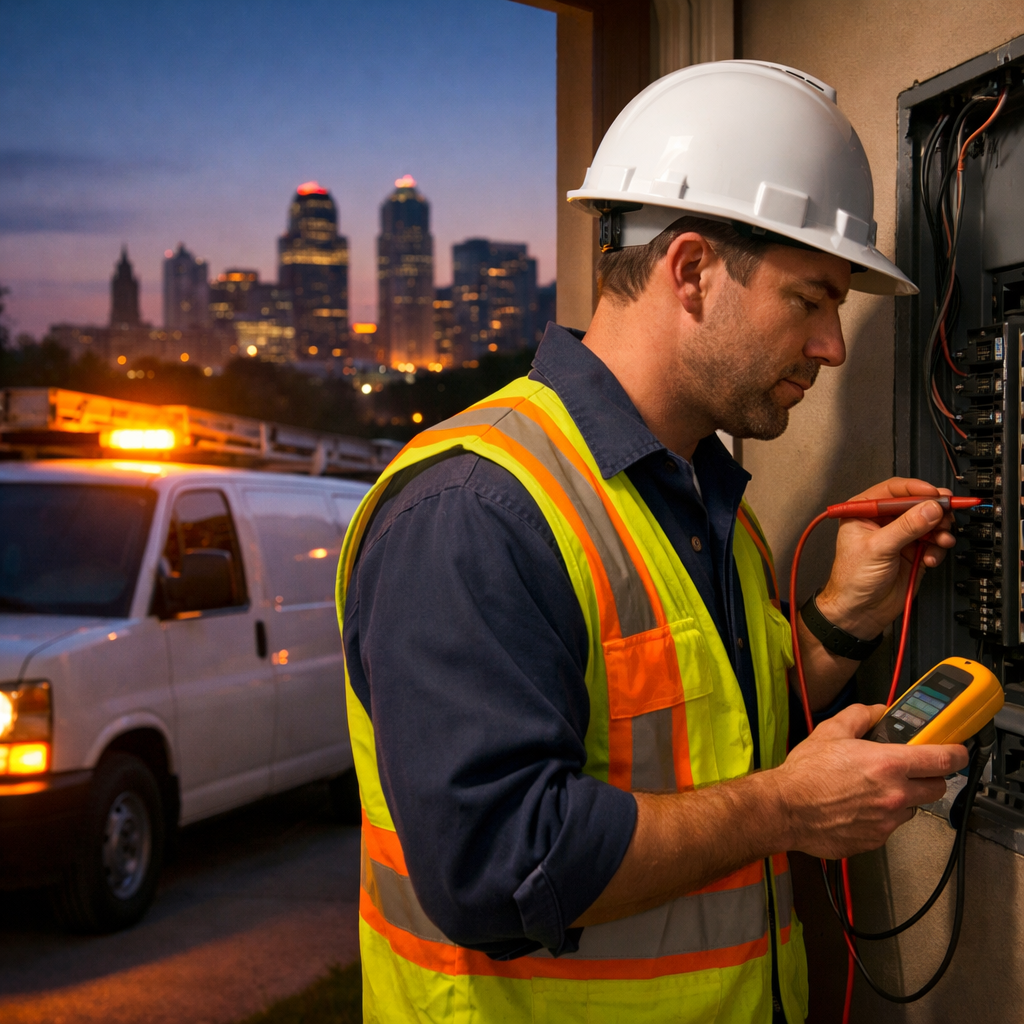
How to Hire a Trusted Emergency Electrician in Kansas City 2026
When an outlet sparks, a panel feels hot, or a burning electrical smell hits your home, speed and verification matter more than anything. This guide shows exactly how to hire a trusted emergency electrician in Kansas City—what to say on the call, how fast to expect help, what pricing is reasonable after hours, and what documents protect you. In short: identify a true emergency, power down safely if you can, contact a licensed 24/7 emergency electrician near you, verify license and insurance, lock in a firm ETA and quote, approve a written scope, document the visit and warranty, then plan follow-up work to meet 2026 NEC expectations. Use these steps to get a safe first-time fix and avoid surprise costs. At AC Repair Advisor, we emphasize safety, verification, and clear pricing at every step.
Recognize true electrical emergencies
Electrical emergency: A sudden, hazardous electrical issue that risks shock, fire, or system failure. Examples include smoke, burning odors, live sparking, overheated panels, or outages affecting essential circuits. These call for a rapid response from a licensed, insured electrician within hours.
Clear emergency signs include burning smells, smoke, visible sparks from an outlet, a hot electrical panel, breakers that keep tripping, or unexplained outages. Flickering or dimming lights and warm outlets are also warning flags tied to fire risk, as highlighted in local guidance on signs of electrical danger in Kansas City homes from Reinhold Electric. Common emergencies involve power outages, sparking outlets, and overheating panels noted by KC emergency providers, and industry cost data shows that 36.4% of switch, outlet, and fixture jobs are classed as emergencies according to Angi’s Kansas City electrician cost guide.
Secure immediate safety before you call
- If safe, switch off power at the main breaker.
- Keep people and pets away from the affected area.
- Evacuate if there’s smoke or fire.
- Call 911 for any active fire. This mirrors local emergency advice from Anthony PHC to turn off the breaker and avoid the area when there’s a burning smell.
PPE — Personal protective equipment such as insulated gloves, safety glasses or face shields, fire-resistant clothing, and lockout tools used by professionals to reduce shock and arc-flash risks. Field operations guidance underscores that pros use PPE and standardized procedures to manage live hazards safely. Homeowners should not touch panels or outlets without proper PPE.
Reinforce no-DIY: Emergency electricians carry specialized diagnostic tools and full PPE; attempting fixes yourself can escalate risk, as outlined in the benefits of hiring emergency electricians.
Contact qualified 24-7 electricians
Call a licensed 24/7 emergency electrician and clearly state what you’re seeing and smelling (e.g., burning odor, smoke, sparks, hot panel) so dispatch prioritizes triage. Ask for the earliest ETA window, the technician’s name, and whether trucks are pre-stocked (aim for roughly 80% stock for faster first-time fixes). Also confirm how they’ll provide license and insurance verification. If you don’t have a preferred provider, AC Repair Advisor recommends choosing licensed, 24/7 electricians that can share credentials by text or email before dispatch. For local availability, see Mr. Electric Kansas City’s emergency page describing 24/7 dispatch and rapid on-site response.
Verify license, insurance, and emergency experience
Request proof of an active license and insurance before work begins, and confirm they’ve handled similar emergencies (sparking outlet, overheated panel, repeated trips). Use a simple script: “Please text/email your license number and insurance COI.” At AC Repair Advisor, receiving this verification before work starts is non-negotiable.
Proof of insurance — An insurer-issued Certificate of Insurance (COI) naming the contractor, listing general liability and workers’ compensation limits, and effective dates. Request it before any on-site work to protect against on-property injuries or damage.
Ask about technician background checks, drug screening, and workmanship guarantees. Many Kansas City operators, such as Mister Sparky Kansas City, emphasize licensed, background-checked electricians and warranties on electrical work as part of their service standards.
Get transparent emergency pricing and ETA
Ask for a firm upfront quote or a clear explanation of any emergency premium before work starts. Some KC providers promote no-hidden-fee pricing on emergency calls. For context, regular hourly rates in Kansas City commonly run $46–$91, and after-hours work often costs about 1.5–2x that; the average job cost is about $319, with a typical range of $150–$489, per Angi’s Kansas City electrician cost guide. Confirm dispatch timing and ETA aligned with industry targets—dispatch within minutes and arrival in roughly 30–90 minutes depending on call volume and distance. Clarify whether after-hours labor is billed at time-and-a-half and whether a minimum or flat emergency fee applies. AC Repair Advisor recommends getting the quote, after-hours policy, and ETA in writing (text or email) before dispatch.
What to confirm vs. typical KC context:
| What to confirm | Typical KC context in 2026 |
|---|---|
| Standard hourly vs. emergency hourly | Regular $46–$91/hr; emergency often 1.5–2x. Ask for a firm number before dispatch. |
| Minimum/dispatch fee | May apply after hours; confirm flat fee or minimum time charge in writing. |
| ETA window | Dispatch in minutes; arrival target 30–90 minutes depending on call volume and distance. |
| Warranty length | Ask for written parts/labor or workmanship terms on emergency repairs. |
| After-hours premium policy | Clarify if time-and-a-half, double-time, or flat emergency rate; confirm before work. |
Approve a written scope before work begins
Require a concise, written scope of work with itemized tasks, parts, and total price before any tools come out. Ask for photos of hazards found and corrected. Make sure it’s clear what’s being fixed now versus deferred for follow-up, with safety notes on overloaded circuits, outdated panels, or wiring defects that raise fire risk. Confirm whether the work includes a workmanship guarantee or short-term service warranty and capture those terms in writing.
Document the visit, repairs, and warranties
Keep a clean record for safety, insurance, and future bids:
- Technician’s name and license number
- Before/after photos
- Diagnostic notes and test readings
- Parts used with model numbers
- Signed scope, receipts, and final invoice
- Written warranty on electrical work with start/end dates and exclusions
Ask for a short recommendations list (e.g., panel upgrade evaluation, AFCI/GFCI additions) aligned with 2026 NEC expectations, and store all documents in a shared digital folder.
Plan follow-up for code compliance and major fixes
2026 NEC — The National Electrical Code’s 2026 edition emphasizes modern protections like AFCI and GFCI in more locations, EV charging readiness, and updated panel/grounding rules for safer homes. For a practical homeowner lens, see Fusion’s 2026 home electrical safety checklist.
After the emergency, schedule a safety audit to verify AFCI/GFCI coverage, panel capacity, grounding/bonding, and arc-fault/ground-fault protection. If frequent breaker trips, flickering, or load conflicts point to a major repair or panel upgrade, plan a follow-up estimate and discuss timelines and any financing options.
Compare two to three providers when conditions are stable
Once hazards are mitigated, collect 2–3 written quotes for any remaining work. Prioritize licensed electrician KC providers with proven emergency experience, clear warranties, and transparent pricing—don’t delay if conditions remain unsafe.
Standardize your quotes:
- Exact repair scope with line items
- Parts and model numbers if applicable
- Written warranty terms
- ETA for follow-up work and permit inclusion if required
- Response metrics and truck stock rates (aim for ~80% stocked to improve first-time fix odds)
AC Repair Advisor recommends using the same scope details and parts list across quotes to keep comparisons apples-to-apples.
What to expect from emergency response in Kansas City
Kansas City providers advertise 24/7 emergency dispatch and typically arrive within hours; most handle outages, sparking outlets, and overheating panels the same day or night. Local firms like Citywide Services Electric in Kansas City highlight rapid-response availability across the metro.
Expect:
- Dispatch within minutes and arrival in about 30–90 minutes depending on volume and distance
- Well-stocked trucks (around 80% of common parts) to increase first-time fix rates
- Clear communication of fees, written scope, and warranty terms upon arrival
Customer-focused guarantees—such as on-time promises or workmanship guarantees—often signal mature operations and professional standards.
Red flags to avoid during emergencies
- No license or insurance proof on request, or evasive answers about credentials
- Vague pricing or refusal to give a firm emergency quote and ETA
- Pressure to approve work without a written scope
- No mention of warranties on electrical work
- Unsafe guidance, like advising DIY panel work or bypassing protective devices
- Downplaying repeated breaker trips, burning smells, or warm outlets—these can indicate overloads or aging panels with fire risk
Save a ready list of vetted contacts
Create a grab-and-call list today so you’re ready at 2 a.m.:
- Two licensed, 24/7 emergency electrician contacts with dispatch numbers, service area, license/insurance proof links, typical ETA window, and a short warranty summary
- One utility/emergency number (for widespread outages or downed lines)
- A preferred financing or membership contact if you plan to spread larger repairs
Call script notes to speed dispatch:
- Symptom summary (e.g., burning smell electrical at kitchen outlet, hot electrical panel, breaker keeps tripping)
- Hazards present (smoke, sparks, heat, outage scope)
- Pets/children at home; access instructions
- Request a firm quote, ETA quote, technician’s name, and proof of license/insurance texted before arrival
AC Repair Advisor’s call notes above help you share the right details quickly and lock in verification before the truck rolls.
Frequently asked questions
What should I ask an emergency electrician before they arrive?
Ask for license and insurance proof, a firm emergency fee or flat-rate quote, ETA, the technician’s name, and what warranty applies. AC Repair Advisor also recommends requesting photos and a written scope before work begins.
How fast do emergency electricians reach Kansas City homes?
Expect dispatch within minutes and arrival in 30–90 minutes depending on call volume and distance; smoke, sparks, and hot panels are triaged first.
How much do emergency electrical repairs cost after hours in Kansas City?
Regular rates often run $46–$91, but after-hours work can cost roughly 1.5–2x; ask about minimums or flat emergency fees and get a firm quote first.
Do I need permits for emergency electrical work?
Immediate hazard mitigation can proceed, but follow-up repairs or panel upgrades often require permits; check with your local AHJ and include permit needs in the written scope per AC Repair Advisor guidance.
Can I wait until morning or try a DIY fix?
Don’t delay if there’s smoke, burning odors, sparking, or a hot panel, and avoid DIY—shut power at the main if safe and call a 24/7 emergency electrician near me. AC Repair Advisor prioritizes safety over speed when hazards are present.