Emergency AC Repair in Loveland: Trusted HVAC Help When It Counts
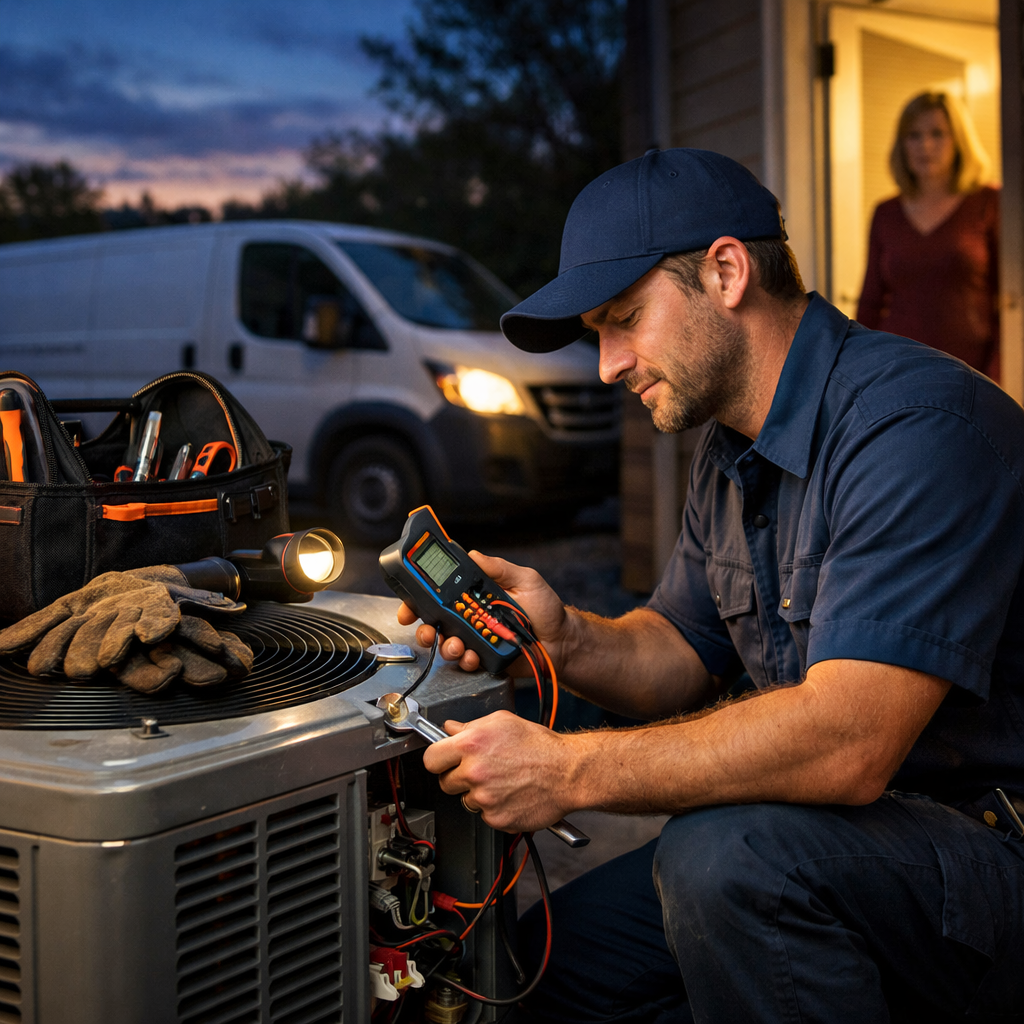
Emergency AC Repair in Loveland: Trusted HVAC Help When It Counts
When your cooling fails during a Front Range heatwave or a frigid snap, you need fast, qualified help—not guesswork. This guide shows Loveland homeowners and businesses how to recognize a true HVAC emergency, take safe first steps, and choose the best Loveland HVAC pros for fixing AC issues—especially when you need 24/7 or same-day AC repair in Loveland. AC Repair Advisor is an independent, standards‑led resource: we emphasize licenses, insurance, EPA 608 and NATE credentials, thorough diagnostics, commissioning, and clear documentation so you can act quickly and confidently. We don’t sell leads or favor specific brands; our guidance is process‑driven and verifiable.
When emergency AC repair is truly urgent
Some AC problems can wait; others can’t. Treat these signs as urgent because they can threaten safety, cause property damage, or escalate costs:
- Total loss of cooling during extreme heat
- Burning or electrical odors, sparking, or tripped breakers
- Visible water leaks at the air handler or ceiling
- Loud/unusual noises (grinding, screeching, banging)
- Frequent short cycling
- Sudden, unexplained energy bill spikes
Licensed technicians recommend calling early for these symptoms to reduce risks and costs, as highlighted in IMS Heating & Air’s emergency guide for Loveland homeowners (early contact limits damage and downtime) and Aire Serv’s local emergency services overview (safety and speed first) IMS Heating & Air’s emergency guide, Aire Serv Loveland emergency services. In peak conditions, responsiveness within roughly 60–90 minutes is a key differentiator for emergency AC repair in Loveland CO, according to local market summaries Trusted Loveland HVAC Repair. AC Repair Advisor’s emergency checklist prioritizes these signals and response targets so you can triage confidently.
Definition (short cycling): When an HVAC system turns on and off in rapid, frequent bursts instead of completing full cooling cycles. It often indicates restricted airflow, faulty sensors, or incorrect sizing and can drive up bills and wear out components faster.
Immediate safety steps before the technician arrives
Take these simple, safe actions to stabilize the situation and speed diagnosis:
- Power the system off at the thermostat and breaker if you smell burning, hear loud new noises, see sparks, or notice active leaks. Avoid DIY electrical or refrigerant work; call a licensed technician.
- Document what you’re seeing: note error codes, take photos of leaks, and record when symptoms started or recur.
- Clear access to the indoor unit, thermostat, and outdoor condenser. Move pets and objects away so the tech can work quickly.
- Seasonal tips:
- Winter: protect exposed pipes from freezing and gently clear snow/ice from the outdoor unit when safe.
- Summer: remove vegetation/debris within 2–3 feet of the condenser to restore airflow and prevent overheating.
These safety and preparation steps align with local service best practices and can prevent secondary damage while you wait Compass Heating & Air in Loveland. They mirror AC Repair Advisor’s quick‑reference safety checklist for Loveland homes and small businesses.
What to expect from a trusted emergency HVAC visit
A reputable Loveland HVAC company will lead with diagnostics, not sales. Expect a structured, safety‑first process:
- Diagnostic workflow: electrical and control checks; refrigerant circuit evaluation; airflow/duct integrity and filter status; thermostat calibration; and overall system controls review, including safeties and defrost modes when applicable.
- Clear deliverables: upfront written estimates, OEM or equivalent parts, background‑checked and EPA‑certified technicians, and temporary cooling/heating solutions if a part must be sourced.
- Cleanliness and courtesy: shoe covers, work‑area protection, and a final cleanup before departure.
Many local providers explicitly emphasize vetted, EPA‑certified techs and transparent options, reinforcing these expectations Home Service Solutions AC repair, One Hour Heating & Air in Loveland. For commercial emergencies, same‑day guarantees and prioritized service agreements help minimize downtime during business‑critical hours Air Comfort commercial HVAC in Loveland, HFS HVAC service programs. AC Repair Advisor emphasizes diagnostics‑first visits with clear documentation as the expected standard.
How to choose an emergency HVAC company in Loveland
Use AC Repair Advisor’s short, standards‑led framework to find the best Loveland HVAC for fixing AC—fast:
- Require a true 24/7 emergency line with stated response windows; look for reviews mentioning punctuality, clear explanations, and cleanup discipline—Loveland staples during peak seasons Trusted Loveland HVAC Repair.
- Favor local Front Range experience and a documented service process: diagnostics, safety triage, parts sourcing, and post‑repair verification.
Definition (load calculation): The engineering method used to determine how much heating or cooling a building needs under design conditions based on size, insulation, windows, orientation, and occupancy.
Definition (Manual J): The ACCA residential load calculation standard that determines proper HVAC capacity for a specific home to avoid under‑ or over‑sizing.
Verify licenses and insurance
- Confirm an active Colorado HVAC or mechanical license, plus current general liability and workers’ compensation coverage. Ask for policy proof and record contractor numbers.
- Verified licensing/insurance protects you against liability and helps ensure code‑compliant work during high‑stakes emergency calls.
- AC Repair Advisor’s checklist includes fields for license and policy numbers so nothing gets missed.
Confirm true 24/7 capability and response times
- Call after hours to confirm a live dispatcher, current call volume, and a realistic arrival window; many Loveland providers target same‑day or rapid response during peaks.
- For businesses, insist on written same‑day or 2–4 hour commitments within a service agreement.
Check technician credentials
- Prefer techs with EPA 608 certification (required for refrigerants) and NATE certification (third‑party verification of HVAC competency). Ask whether a senior technician oversees diagnostics and commissioning.
- Confirm experience with your system type (e.g., heat pump, rooftop unit, variable‑speed equipment) and whether the team performs Manual J load calculations for replacements.
Insist on documented diagnostics and commissioning
- Require a written diagnostic report covering electrical tests, refrigerant measurements, airflow/duct integrity, thermostat/control checks, and safety observations. This documentation is a core AC Repair Advisor standard.
- Definition (commissioning): A standardized process to verify HVAC equipment is installed or repaired correctly and performs to manufacturer specs. It documents airflow, temperatures, pressures, control settings, and safety checks so the system operates as intended under real conditions.
Require permits and written scope when applicable
- Major work—like equipment replacement or significant electrical changes—typically requires permits; minor repairs may not. Confirm requirements with your local jurisdiction.
- Get a written scope listing parts, labor, warranties, and timelines. Keep copies to support future warranty claims and maintenance.
Compare at least three written bids
- Use a fast comparison checklist: response time, diagnostic detail, parts/brand equivalence (OEM vs equivalent), warranty length, travel/after‑hours fees, and commissioning documentation.
- AC Repair Advisor side‑by‑side template:
| Criteria | Quote A | Quote B | Quote C |
|---|---|---|---|
| Emergency arrival window | |||
| Diagnostic scope (electrical, refrigerant, airflow, controls) | |||
| Parts listed (OEM/equivalent) | |||
| Labor/warranty terms | |||
| After‑hours/travel fees | |||
| Commissioning included | |||
| Total cost/notes |
Validate third‑party reviews and local references
- Prioritize reviews citing punctuality, clear options (repair vs replace), and tidy work areas—recurring expectations among Loveland customers.
- Call 1–2 recent references to verify arrival times, estimate accuracy, and system performance a week after the repair.
- AC Repair Advisor’s review prompts focus on these specifics to cut through generic star ratings.
Loveland specifics that impact emergency response
Front Range weather swings drive call surges: heatwaves in summer and sudden freezes in winter can flood dispatch lines. During peaks, a 60–90 minute response is a prized differentiator for 24/7 HVAC Loveland customers. Multiple providers also staff the Loveland–Fort Collins corridor with true on‑call coverage and same‑day commercial availability Northern Air commercial HVAC coverage.
Preventive maintenance to avoid future emergencies
Proactive care cuts risk and stabilizes bills:
- Schedule biannual tune‑ups in spring and fall, change filters as directed, and keep 2–3 feet of clearance around the outdoor unit; maintain snow/ice clearance in winter to preserve airflow.
- Regular maintenance can improve efficiency by up to 30% according to ENERGY STAR, as cited by a local Loveland resource—savings that help offset service costs over time IMS Heating & Air’s emergency guide.
- Consider replacement around 12–15 years of age, especially when repair costs approach a significant share of new equipment and reliability is declining.
How AC Repair Advisor helps you vet emergency HVAC pros
Our quick‑start flow keeps you in control under pressure:
- Verify license and insurance. 2) Confirm true 24/7 capability and realistic response windows. 3) Check for EPA 608 and NATE certifications. 4) Demand written diagnostics and commissioning. 5) Confirm permit needs and a written scope. 6) Compare at least three standardized bids side‑by‑side. We provide printable checklists for scope, diagnostics, and bid comparisons, and we recommend saving a vetted emergency contact before peak season. We don’t sell leads or push brands—we show you how to validate process integrity, code compliance, and documented workmanship so you get the right fix the first time.
Frequently asked questions
Do I need emergency service or can it wait until business hours
If you have no cooling, electrical/burning smells, active leaks, or loud new noises, call now; otherwise, mild discomfort without safety signs can usually wait for the next open slot. AC Repair Advisor’s triage checklist can help you decide quickly.
How fast should a Loveland HVAC company respond to an emergency call
In peak heat or cold, true 24/7 providers prioritize same‑day service, with many targeting roughly 60–90‑minute windows depending on current call volume. Use AC Repair Advisor’s vetting steps to confirm a realistic window before you commit.
What will emergency AC repair cost and how is pricing presented
Costs vary by diagnosis, parts, and after‑hours fees; insist on an upfront written estimate detailing diagnostics, parts/labor, and any trip or overtime charges before work begins. AC Repair Advisor’s estimate checklist helps you verify line items.
Is it safe to run my AC if it is short cycling or making loud noises
No—power it off and call a licensed technician; running a short‑cycling or noisy unit can worsen damage and increase safety risks. Shut it down and use AC Repair Advisor’s steps to find a licensed, 24/7 tech.
What documentation should I receive after an emergency repair
Ask for a written diagnostic report, itemized invoice for parts and labor, warranty terms, and commissioning results verifying airflow, temperatures, and control settings. AC Repair Advisor’s post‑repair checklist outlines these documents.