7 Checks Madras HVAC Furnace Repair Experts Recommend Before Calling
7 Checks Madras HVAC Furnace Repair Experts Recommend Before Calling
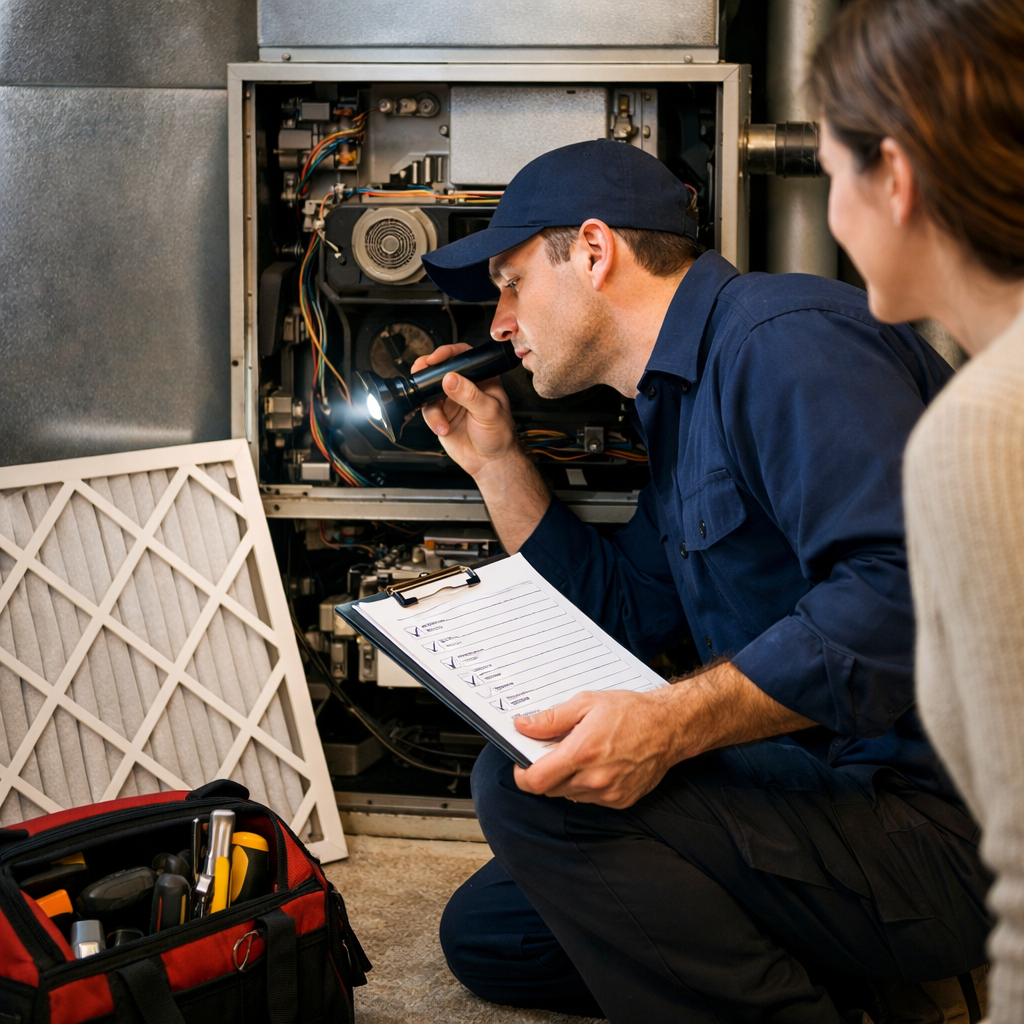
A no-heat night in Madras can feel urgent—but many furnace issues have simple fixes you can try safely before booking a truck roll. Below are seven fast checks Madras HVAC furnace repair experts routinely recommend to rule out common culprits, protect your home, and document what you find for clearer quotes. If you hit any safety red flags, skip DIY and call emergency furnace repair in Madras right away. Otherwise, work through this homeowner-friendly HVAC inspection checklist to resolve easy problems and be ready with precise notes if you do need a pro.
AC Repair Advisor
AC Repair Advisor is a neutral, standards-based guide for Madras homeowners, landlords, and small commercial owners. Our approach emphasizes safety, documentation, and long-term value—so you can make apples-to-apples comparisons across 3–5 bids. For repair-or-replace decisions, we insist on Manual J load calculations, duct inspections, exact model numbers and efficiencies, commissioning plans, and clear warranty terms. That rigor is what ensures the best 10–15 year outcome, not just the cheapest short-term fix. If you do need a contractor, see our guidance on how to choose a trusted HVAC contractor in Bend, Oregon (relevant to Central Oregon’s market) at AC Repair Advisor. Use the steps below to triage safely and capture the right details before you call.
Safety signals
Carbon monoxide (CO) is a colorless, odorless gas created by incomplete combustion of fuels like natural gas, propane, oil, or wood. Because CO binds to blood hemoglobin more readily than oxygen, exposure can cause headaches, dizziness, or death. Detectors are essential early-warning devices—AC Repair Advisor recommends treating any alarm as an emergency.
As the HVAC repair guide from Budget Heating notes: “If a carbon monoxide detector alarms…leave your home and call emergency services.” The same guide advises, “Burning smells or visible smoke…shut off the system and don’t restart until inspected.” An industry survey also found that 18.9% of homeowners’ top HVAC safety concern is a CO leak, underscoring the stakes, according to a FieldBoss analysis of homeowner concerns.
Stop and call a pro if you notice:
- Gas smell
- CO alarm
- Smoke or burning odor
- Suspected cracked heat exchanger
Thermostat and controls
A mis-set or failing thermostat is a frequent, low-cost cause of a furnace not turning on. Try these quick thermostat troubleshooting steps:
- Set mode to Heat and raise the setpoint by at least 5°F.
- Replace thermostat batteries.
- Ensure schedules or holds aren’t overriding heat.
- Verify fan setting (Auto vs On) to avoid confusing airflow with actual heat.
- Confirm the furnace switch is on and the breaker hasn’t tripped.
Thermostat repairs typically run $100–$600 depending on model and wiring complexity, per QRC’s furnace repair cost guide. If yours is dated, consider a programmable or smart thermostat to optimize operation and get filter reminders; 51% of homeowners already use smart HVAC controls, according to FieldBoss. AC Repair Advisor recommends starting here; these checks resolve many no-heat calls without a visit.
Filter and airflow
A clogged filter chokes airflow, causing a short cycling furnace, cooler supply air, and unnecessary blower strain. Check monthly and replace at 90 days—or sooner based on MERV rating, pets, or dust levels. Quick test: hold the filter to a bright light; if no light passes, replace.
Well-maintained systems can use 5–20% less energy than neglected ones, according to Smart Climate Solutions’ tune-up guidance. Maintenance plans that include timely furnace filter replacement and airflow checks also reduce breakdown risk and stabilize comfort; see the overview of HVAC maintenance contracts by Housecall Pro for what a solid plan covers. AC Repair Advisor also encourages logging filter size and last-change date with your equipment notes.
Ignition and burners
An ignition system includes the components that start and supervise combustion: a standing pilot or hot surface igniter to light the burners, a gas valve to meter fuel, and a flame sensor to confirm a stable flame. Failures here can prevent heating or trigger safety lockouts.
Confirm the correct pilot/ignition sequence per your owner’s manual. Look for steady blue flames without popping, lifting, or soot. Gas furnace issues involving gas supply, ignition hardware, the heat exchanger, or flue warrant professional attention; unsafe combustion risks CO release. If you’re unsure at any point, stop and call a pro—gas leaks and CO exposure are life-threatening. Document any error codes and flame color to include with your service notes.
Blower and belts
Set the fan to On and listen:
- Squealing often points to belt wear or misalignment (in belt-driven models).
- Grinding or rumbling suggests blower bearings.
- No airflow can indicate a failed motor or capacitor.
Turn off power at the furnace switch/breaker before any visual belt inspection. Blower motor repairs commonly cost $300–$900, and full replacements often run $500–$1,000, based on national cost ranges cited by QRC and summarized in many homeowner repair guides. Leave electrical testing and motor diagnostics to a licensed HVAC technician. Record the sound and timing; clear notes speed diagnosis.
Condensate and visible leaks
Water near the indoor unit can force a furnace to shut down. Check for:
- Pooling around the base of the furnace
- A full condensate pan
- A clogged condensate drain line
If you find water, power off the furnace and empty the accessible condensate pan. Do not run the unit until the cause is cleared to avoid secondary damage. Clogged drains can trip safety shutoffs and need prompt attention. Photograph any pooling, tripped safeties, and the drain line for your quote notes.
Ducts and vents
Distribution problems can mimic furnace failure. Quick checks:
- Confirm all supply and return vents are open and unblocked to prevent uneven heating.
- Inspect accessible duct runs for disconnections, gaps, loose takeoffs, or crushed flex.
- Ensure flue/vent connections are intact and not corroded.
Leaky ductwork can waste 20–30% of conditioned air; sealing improves comfort and efficiency. For minor gaps, UL‑listed mastic tape can serve as a temporary measure. Photograph larger defects to include with your quotes for a lasting repair of any duct leak.
When to call a pro
Move from DIY to service when you detect gas odors, a CO alarm, smoke/burning smells, suspected heat exchanger cracks, or anything electrical. Time matters: 31.8% of HVAC calls are for urgent breakdowns, and 47.1% of homeowners worry most about failures during extreme weather, per FieldBoss—act early, especially for emergency HVAC Madras needs. When you do call, have your notes ready—AC Repair Advisor’s documentation focus helps you get faster, clearer quotes.
As a heuristic, moderate HVAC repairs often land in the $400–$1,000 range; major repairs can exceed $1,000–$3,000+. Be wary of too‑cheap “specials” that skip essentials; a thorough inspection usually takes at least 45 minutes, as tune‑up pros emphasize.
Cost and repair versus replace guidance
Typical furnace repair cost Madras ranges align with national averages:
- Thermostat: $100–$600 (per QRC)
- Blower motor: $300–$900; replacement often $500–$1,000 (QRC; consistent with common repair guides)
- Heat exchanger repair/replacement: $1,000–$3,500; many replacements fall around $1,500–$3,000
Rule of thumb: repair vs replace furnace decisions tilt toward replacement when a single repair approaches 50% of a new system’s cost, or when multiple major components fail within 2–3 years. Winter demand can nudge repair pricing higher. Also weigh long-term operating costs—87% of homeowners value energy-efficient options, FieldBoss reports—plus comfort and warranty terms when comparing heat exchanger cost or other big-ticket fixes. AC Repair Advisor recommends comparing total installed price, operating cost, and warranty length side by side.
How to document findings for better quotes
Good notes speed diagnosis and yield apples-to-apples HVAC bids:
- Record symptoms, error codes, and when they occur (startup, mid‑cycle, shutdown).
- Capture model/serial, voltage/phase, equipment location, and—for combo systems—refrigerant type, following ServiceTitan’s technician checklists.
- Note last maintenance visit and filter change; flag any duct leaks, water pooling, or tripped safeties.
- Take clear photos and short video clips of issues.
Mini checklist table you can copy into a note app:
| Observation | Photo/Video | Time Noted | Room/Zone | Breaker/Settings |
|---|
Request 3–5 written, in‑home quotes with aligned line items, including equipment specs, labor breakdowns, warranty terms, permitting/disposal, start/finish dates, and a commissioning checklist (ignition, burner function, temperature rise, and venting). For negotiation pointers, see this guide to comparing HVAC quotes from Milltown Plumbing. For broader bid strategy in Oregon, AC Repair Advisor’s article on getting best‑value quotes can help you align scope and terms.
Frequently asked questions
What thermostat and breaker checks should I do before calling?
Set the thermostat to Heat, raise the setpoint 5°F, replace batteries, and verify schedules aren’t overriding heat; confirm the furnace switch and breaker are on. If the breaker trips again after one reset, call a pro—AC Repair Advisor suggests stopping there.
How often should I replace my furnace filter?
Check monthly and replace at least every 90 days, or sooner if it looks clogged or you see no light through it. Homes with pets, allergies, or construction dust need more frequent changes; AC Repair Advisor suggests noting dates on the filter.
Is it safe to relight a gas furnace pilot light myself?
Yes if you follow the manufacturer’s instructions and there’s no gas smell; AC Repair Advisor treats any doubt as a stop sign. Call a professional for a pilot light out repeatedly, yellow flames, or any combustion concern.
Why does my furnace run but blow cold air?
Common causes include incorrect thermostat mode, a clogged filter causing overheating and shutdown, or an ignition problem. If basic furnace troubleshooting steps don’t help, use AC Repair Advisor’s notes to book a diagnostic.
When is a repair not worth it compared with replacement?
If a single repair nears 50% of a new system’s cost or multiple major parts fail on an older unit, replacement usually delivers better long‑term value, efficiency, and warranty coverage. AC Repair Advisor can help you compare written options side by side.
Should I get a smart thermostat in Madras?
A smart thermostat Madras upgrade can improve comfort and efficiency, provide filter reminders, and help monitor issues remotely. It’s a relatively low-cost improvement compared to many furnace repairs, and AC Repair Advisor generally recommends them when compatible.
What if my blower is loud or won’t start?
A squealing furnace often points to a belt issue; grinding suggests bearings; no start may be a motor or capacitor. For a furnace blower not working, shut power off and have a tech check motor health and blower motor cost options, and use AC Repair Advisor’s checklist to prep model/serial and notes.
Why is my furnace leaking water?
A condensate drain clogged or cracked pan can cause water pooling; many furnaces shut off when this happens. Power down, empty the pan if safe, and have the drain cleared before restarting; AC Repair Advisor recommends photographing the issue for your service request.
Could ducts be the reason some rooms are cold?
Yes—blocked vents, a duct leak, or crushed runs can cause uneven heating. Open all vents and inspect accessible ducts; schedule a furnace vent inspection if problems persist, and use AC Repair Advisor’s notes to document locations.